
What You’re Seeing Isn’t Just Gross—It’s Nature’s Cleanup Crew
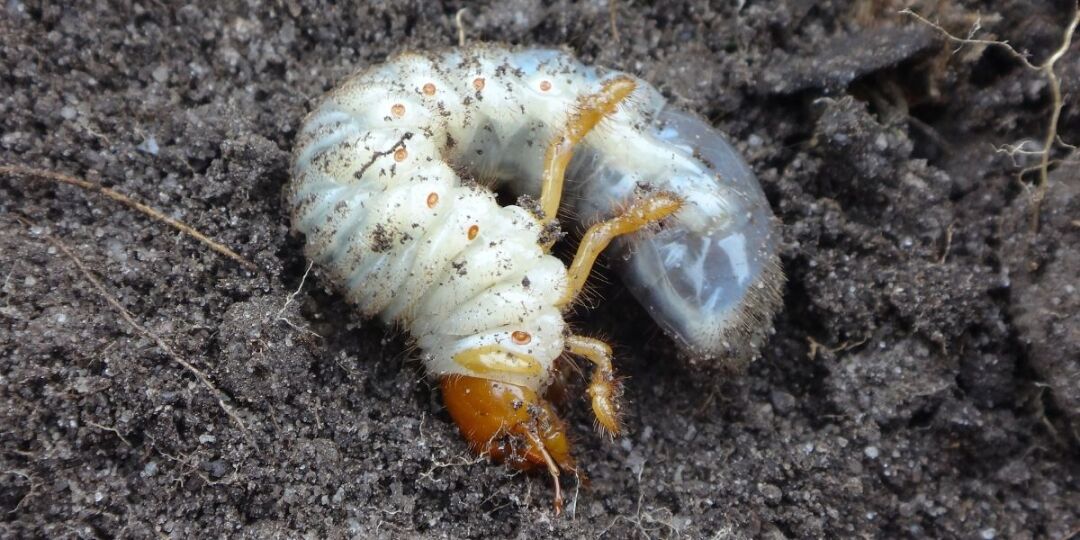
Grubs squirming through a rotting tree trunk may look like something out of a horror movie, but in reality, they’re doing exactly what nature intended: breaking down dying wood. These larvae move into weakened, decaying sections of a tree and begin feeding on the soft tissue inside.
It’s a process that helps recycle nutrients back into the environment. But if you’re a homeowner in Southwest Florida, seeing this up close means your tree is already in trouble.
Why Grubs Show Up: Signs of a Stressed or Dying Tree
According to Joshua Tree Inc.’s certified arborists, grub activity is often the result—not the cause—of tree decline. These insects are opportunists. They invade once the tree is already compromised. Here’s what likely happened first:
- The tree experienced stress, such as drought, root damage, or storm impact.
- The structure weakened, making internal tissues vulnerable.
- Fungi and decay organisms began breaking down wood from the inside.
- Grubs (insect larvae) found the softened areas and moved in to feed.
The presence of grubs, then, is a red flag that your tree’s health has significantly declined.
Why It’s a Problem for Homeowners
Once internal decay sets in, your tree becomes structurally unstable. Limbs can drop unexpectedly. The trunk may split. In severe cases, the entire tree may fail—especially during hurricane season in Southwest Florida.
And while grubs themselves aren’t usually dangerous, they accelerate decomposition, weakening the tree even faster.
Without professional intervention, the damage will continue unchecked.
The Arborist’s Perspective: Prevention Is Everything
As our arborist explains in the video:
“This is exactly what happens when a tree becomes unhealthy. Once the structure weakens, it’s much more susceptible to pests, decay, and secondary attacks like these grubs.”
At Joshua Tree Inc., we help property owners avoid this stage entirely through proactive tree care:
- Regular health assessments from ISA Certified Arborists
- Structural pruning to reduce stress and improve airflow
- Soil and root zone treatments for optimal nutrient absorption
- Fungus and pest control before visible decay appears
What You Should Do if You Spot Grubs in a Tree
If you see grubs—or signs of rot, fungus, or pest entry—call a certified arborist immediately. The sooner the issue is diagnosed, the better chance your tree has of recovery.
Joshua Tree Inc. will:
- Inspect your tree’s structure, canopy, and soil conditions
- Determine the extent of decay or infestation
- Recommend a care plan: preservation, pruning, or safe removal
Insect ID Sidebar: What Kind of Grub Is This?
The grub featured in our video and social media posts is most likely a white grub, the larval stage of a scarab beetle such as the:
- June beetle (Phyllophaga spp.), or
- Masked Chafer (Cyclocephala spp.)
Both are common in Florida and recognizable by their:
- Creamy-white, C-shaped bodies
- Reddish-brown heads
- Six tiny legs near the head
While these larvae are commonly found in lawns feeding on turfgrass roots, they also feed on decaying wood and organic matter, which makes rotting tree interiors a perfect target.

White grub larvae like this one often appear in decaying tree trunks, signaling advanced internal damage.
Ask an Arborist: Your Tree Health Resource in SWFL
We believe education is key to prevention. If you have questions, we’re here to answer them. Please hop into the chatbot below and we’ll answer immediately.
📞 Call (239) 888-6817 today to schedule a free tree health assessment.
Expert Advice. Hassle-Free Service. The Difference That Makes A Difference